
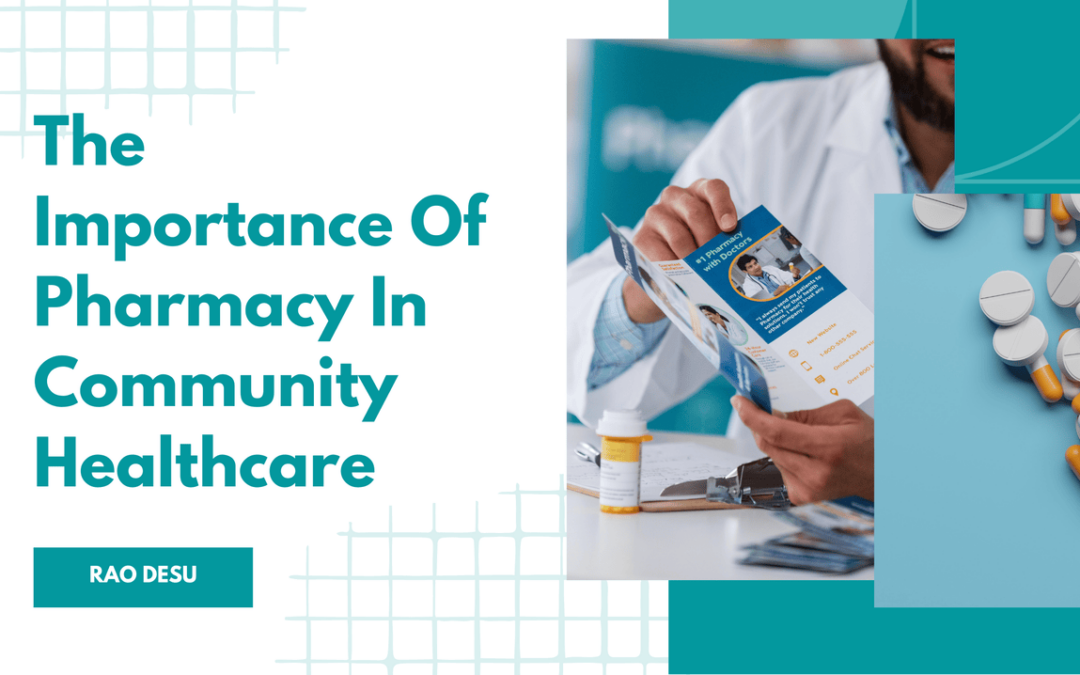
Pharmacies are essential pillars of community healthcare, providing accessible and immediate medical assistance to individuals who may not always have direct access to doctors or hospitals. Pharmacists serve as trusted healthcare professionals who play a crucial role in ensuring the well-being of their communities by offering medication guidance, disease prevention strategies, and patient education. Their contribution extends far beyond dispensing prescriptions, making them an integral part of public health initiatives.
One of the most significant contributions of pharmacies to community healthcare is their role in medication management. Pharmacists ensure that patients receive the correct medications, understand proper dosages, and are aware of potential side effects. Many individuals, especially those with chronic conditions such as diabetes, hypertension, or asthma, rely on pharmacists to monitor their medication regimens and prevent harmful drug interactions. By offering medication therapy management services, pharmacists help improve adherence to treatments, reducing complications and hospital readmissions.
Pharmacies are often the first point of contact for individuals seeking medical advice for minor ailments. Many people turn to their local pharmacists for guidance on issues such as cold and flu symptoms, allergies, digestive problems, or minor injuries. This accessibility relieves pressure on hospitals and clinics, allowing patients to receive prompt recommendations for over-the-counter treatments or referrals to physicians when necessary. Pharmacists play a key role in triaging healthcare needs, ensuring that patients receive appropriate care without unnecessary delays.
Preventive healthcare is another vital area where pharmacies contribute to community well-being. Many pharmacies offer immunizations, including flu shots, COVID-19 vaccines, and other essential vaccinations. By providing these services conveniently, pharmacies help increase vaccination rates and protect communities from preventable diseases. Additionally, pharmacists educate patients on lifestyle modifications, nutrition, smoking cessation, and weight management, empowering them to take proactive steps toward better health.
Public health education and awareness initiatives are strengthened by the presence of pharmacies in communities. Pharmacists are valuable sources of information, helping individuals understand complex medical conditions, medication risks, and strategies for managing chronic diseases. They play an active role in addressing medication safety concerns, especially for elderly patients who may be taking multiple prescriptions. By offering guidance on proper medication storage, adherence, and potential side effects, pharmacists enhance patient safety and promote better health outcomes.
Pharmacies also support mental health by providing access to medications for depression, anxiety, and other mental health conditions. Many pharmacists offer confidential consultations, guiding patients on how to manage their medications effectively. In some cases, they identify signs of mental health struggles and encourage individuals to seek further medical assistance. This role is particularly important in communities where access to mental health services may be limited.
With advancements in technology, pharmacies are expanding their services through digital health solutions. Telepharmacy allows patients to consult pharmacists remotely, making healthcare more accessible to those in rural or underserved areas. Online prescription refills, mobile apps for medication reminders, and digital health monitoring tools further enhance the ability of pharmacies to support patients in managing their health.
Pharmacies are crucial in responding to public health emergencies. During outbreaks, pandemics, or natural disasters, they play a vital role in distributing essential medications, vaccines, and medical supplies. Pharmacists provide accurate information, dispel misinformation, and ensure that communities remain informed and protected during health crises. Their ability to adapt and serve as frontline healthcare providers highlights their importance in maintaining public health and safety.
The impact of pharmacies on community healthcare cannot be overstated. They provide accessible and affordable healthcare services, promote medication safety, contribute to disease prevention, and support individuals in managing chronic conditions. As healthcare systems continue to evolve, the role of pharmacists will only grow, reinforcing their position as indispensable members of the healthcare community. Their expertise, dedication, and patient-centered approach make them essential partners in improving public health and enhancing the quality of life for individuals and families.